

Slang shifts fast online, and CBFW is one term that keeps showing up in comments, captions, and group chats without any explanation. People see it and immediately search for a clear answer instead of guessing from context clues.
This guide breaks down the CBFW meaning, its full form, real conversation examples, and how tone and platform change what it actually communicates. By the end, you will know exactly when to use it and when to skip it.
Quick Answer
CBFW most commonly stands for “Can’t Be F***ed With,” a slang phrase describing someone who feels confident, unbothered, and too tough to deal with. A secondary meaning, “Can’t Be Bothered,” expresses casual disinterest or low motivation depending on tone.
What Does CBFW Mean in Text?
CBFW in a text message signals that the sender feels emotionally unbothered, confident, or unwilling to deal with drama. The exact tone depends on the sentence around it, since the same four letters can express strength, annoyance, or plain laziness.
Texting culture relies on abbreviations to save time and add emotional shorthand. CBFW fits that pattern by compressing a full attitude into one acronym. Readers usually decode the meaning from surrounding emojis, punctuation, or capitalization rather than the letters alone.
Example
A text reading “CBFW today, nothing is getting to me 😌” shows confidence. A text reading “CBFW with this homework, I’m done” shows exhaustion or disinterest instead. Both use identical letters but land completely differently in tone.
CBFW Full Form
The full form of CBFW is “Can’t Be F***ed With.” This phrase originated as blunt slang for someone who refuses to let people, stress, or drama affect their mood. Some communities also use the softer full form “Can’t Be Bothered/Worried,” which strips out profanity while keeping the same core idea of indifference.
What Does CBFW Stand For?
CBFW stands for a mindset rather than one fixed sentence. It represents confidence, emotional detachment, or casual indifference depending on the platform, the relationship between speakers, and the words placed around it in the message.
In casual texting
Between casual acquaintances, CBFW usually signals mild irritation or a refusal to engage further. A message like “CBFW right now, just leave it” politely shuts down a topic without escalating into an argument.
On social media
On platforms like TikTok, Instagram, and X, CBFW appears in captions and comments to project confidence or humor. Creators pair it with bold visuals or upbeat audio to show they are unbothered by criticism or negativity.
Between friends
Close friends use CBFW more loosely, often as a joke rather than a genuine statement of frustration. It can appear mid conversation to playfully dismiss a topic, such as “CBFW, let’s talk about something fun instead.”
Meaning in Different Contexts
CBFW changes meaning across settings because slang always borrows tone from its environment. A single acronym can express confidence in one thread and mild frustration in another, so context always outranks the letters themselves.
In Text Messages
In one on one texts, CBFW typically closes a topic or signals emotional distance from a stressful situation. It often replaces longer explanations like “I don’t want to talk about this anymore” in a shorter, more casual form.
On Social Media
Social platforms treat CBFW as a confidence flex, especially in captions about personal growth, breakups, or ignoring criticism. Comment sections also use it as a quick reaction to drama unfolding in a video or post.
In Gaming
Gamers use CBFW during matches to show they are unfazed by trash talk or a losing streak. A player typing “CBFW, running it back” signals they are not tilted and ready to continue playing without frustration.
At Work
CBFW rarely appears in professional settings because of its blunt origin, but younger coworkers sometimes use it informally in private chats. It signals workplace stress or a refusal to engage with office drama outside formal channels.
Is CBFW Rude, Offensive, or Neutral?
CBFW sits in a gray zone because its full form contains implied profanity, making it inappropriate for formal writing. Among peers who use casual slang regularly, it reads as neutral or even humorous rather than genuinely offensive.
Context, tone, and relationship closeness determine whether CBFW comes across as rude. The same phrase said to a stranger can feel dismissive, while the same phrase shared between close friends usually lands as lighthearted venting.
Where Is CBFW Commonly Used?
CBFW appears most frequently across youth focused digital spaces where short, expressive slang thrives. Its usage spans several platforms and communication styles:
- Text messages between friends and casual acquaintances
- Instagram and TikTok captions and comment sections
- X posts reacting to news, drama, or personal frustration
- Gaming chat during competitive matches
- Meme pages and reaction threads
Real-Life Conversation Examples
Seeing CBFW inside real conversations makes the meaning clearer than any dictionary definition alone. The examples below cover five common emotional tones people express with this one acronym.
Friendly
“CBFW today, let’s just enjoy the weekend and forget the stress.” This version shows a relaxed, supportive tone between friends choosing to move past a rough week together.
Casual
“CBFW with traffic, I’ll just leave earlier tomorrow.” Here the phrase expresses mild annoyance without any real emotional weight behind it.
Argumentative
“CBFW, I already told you my answer isn’t changing.” In tense exchanges, CBFW signals a firm boundary and an unwillingness to keep debating.
Funny
“CBFW, my cat just knocked my coffee over again 😂.” Used humorously, it turns a small annoyance into a lighthearted joke shared with followers or friends.
Emotional
“Honestly CBFW right now, everything just feels like too much.” This use reveals genuine emotional fatigue rather than confidence, showing how tone flips the meaning entirely.
Emotional and Psychological Meaning
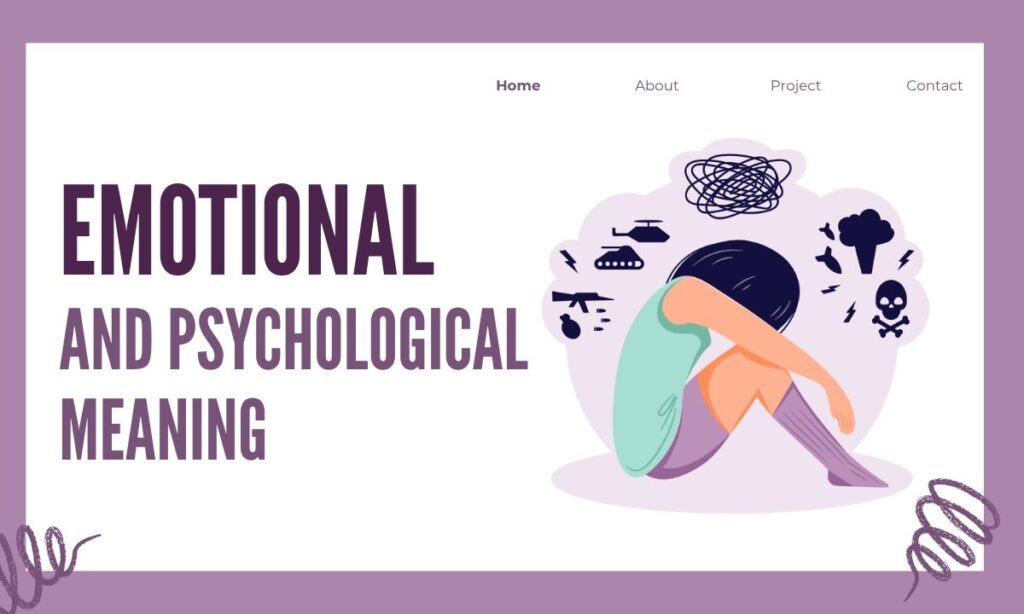
Beyond slang, CBFW often reflects a real psychological state of self-protection or emotional resilience. People use it to project strength during stressful moments, even when they privately feel overwhelmed underneath the confident wording.
Language researchers note that short defensive slang phrases like CBFW help speakers regulate emotion in public settings. Typing an acronym feels less vulnerable than writing out a full sentence about stress, frustration, or heartbreak.
Origin and Background of CBFW
CBFW grew out of hip hop and street culture vocabulary before spreading into mainstream texting and social media. The phrase “can’t be f***ed with” long existed in spoken slang, and platforms like Twitter and TikTok compressed it into the acronym form for faster typing.
As younger users adopted the abbreviation, its meaning softened in casual use, shifting from pure defiance toward general indifference or humor. This evolution mirrors how many acronyms lose intensity once they enter everyday digital conversation.
Music lyrics and viral TikTok audio clips helped push CBFW into wider circulation between 2023 and 2026. Once a phrase appears in a trending sound bite, thousands of captions and comments tend to repeat it within days, cementing it as recognizable internet slang rather than a niche regional expression.
Comparison With Similar Slang
Several acronyms overlap with CBFW but carry distinct emotional shades. The table below compares common meanings side by side.
| Slang | Full Meaning | Core Emotion |
|---|---|---|
| CBFW | Can’t Be F***ed With | Confidence or indifference |
| SMH | Shaking My Head | Disappointment |
| FML | F*** My Life | Frustration or bad luck |
| IDC | I Don’t Care | Detachment |
| CBB | Can’t Be Bothered | Laziness or low motivation |
CBFW stands out because it blends confidence with detachment, while terms like FML lean purely negative and IDC leans purely neutral.
When to Use CBFW
CBFW works best in casual, low stakes conversations where humor or mild venting fits naturally. Good moments include:
- Reacting to minor daily annoyances with friends
- Adding personality to a social media caption
- Responding to playful teasing in a group chat
- Expressing calm confidence after a stressful event
When to Avoid Using CBFW
CBFW should stay out of formal writing, professional emails, and conversations with people unfamiliar with internet slang. It can also come across as dismissive in serious emotional conversations where the other person needs genuine support rather than a deflecting acronym.
Polite Alternatives
For softer or more professional contexts, several alternatives express similar ideas without slang or implied profanity:
- “I’d rather not deal with that right now.”
- “I’m choosing to stay unbothered by this.”
- “That’s not worth my energy today.”
- “I’m keeping things calm and moving on.”
Why People Use This Slang
People use CBFW because it delivers a strong emotional message in very few characters. Short slang like this fits the fast pace of texting and social media, where quick reactions often replace longer, more detailed explanations of feelings.
Impact of Using Slang in Communication
Slang terms like CBFW shape how quickly emotion travels between people online. A single acronym can convey confidence, boundary setting, or humor faster than a full sentence, which is exactly why abbreviated slang keeps spreading across generations of internet users.
Overusing slang, however, can create confusion with older audiences or professional contacts unfamiliar with internet shorthand. Balancing casual language with clear communication remains important outside close friend groups.
Communication researchers point out that acronym heavy slang builds in-group identity among younger users. Knowing terms like CBFW signals cultural fluency, while misusing or misreading them can momentarily make someone feel like an outsider in a fast moving online conversation.
Is CBFW Safe for Social Media?
CBFW is generally safe for casual social media posts among peer audiences already familiar with internet slang. Because its full form contains implied profanity, some platforms or workplace-monitored accounts may flag it as inappropriate depending on community guidelines and audience age.
Common Misunderstandings
Many people assume CBFW always signals anger, but it frequently expresses confidence or humor instead. Others mistake it for a typo or unfamiliar brand name before realizing it functions purely as an emotional shorthand acronym used across text and social platforms.
Variations and Types
CBFW appears in several spelling and tone variations across platforms:
| Variation | Typical Meaning |
|---|---|
| CBFWY | Can’t Be F***ed With You |
| CBFW frfr | Emphasized, very serious version |
| CBFW rn | Right now, temporary mood |
| Soft CBFW | Used jokingly without real frustration |
How to Respond When Someone Uses CBFW
The right response depends on tone. A joking CBFW deserves a playful reply, while a serious or emotional CBFW deserves genuine support. Useful responses include:
- “Haha fair, same energy today.”
- “That’s valid, take your time.”
- “Want to talk about it or just vent?”
- “Okay, we’ll drop it then.”
Regional and Cultural Usage
CBFW originated in American slang culture but has spread globally through social media exposure. English speaking regions including the UK, Australia, and parts of Africa now use the term casually, often adapting it slightly to match local slang patterns and humor styles.
In the United States, CBFW leans toward the confident, unbothered meaning rooted in its hip hop origins. In the UK and Australia, younger users sometimes stretch it toward the softer “can’t be bothered” definition, blending it with existing local phrases for laziness or disinterest.
Cross platform exposure through TikTok trends and viral audio clips speeds up this regional blending. A phrase coined in one region can shift meaning within months once international creators start using it in captions, duets, and comment replies across different cultures.
You can also checkoout this article as well HG Meaning Slang Explained: Surprising Truth
Conclusion
CBFW is internet slang for “Can’t Be F***ed With,” a phrase that expresses confidence, emotional detachment, or casual indifference depending on tone and context. It thrives in texting, social media captions, and gaming chats, but stays out of formal or professional writing due to its blunt origin.
Understanding CBFW helps readers decode modern digital conversations without confusion. Paying attention to surrounding words, emojis, and relationship context always reveals the real meaning behind this popular four letter acronym.

Barak is a passionate writer who explores name meanings, origins, symbolism, and trends. He creates clear, engaging content that helps readers discover the stories behind names.